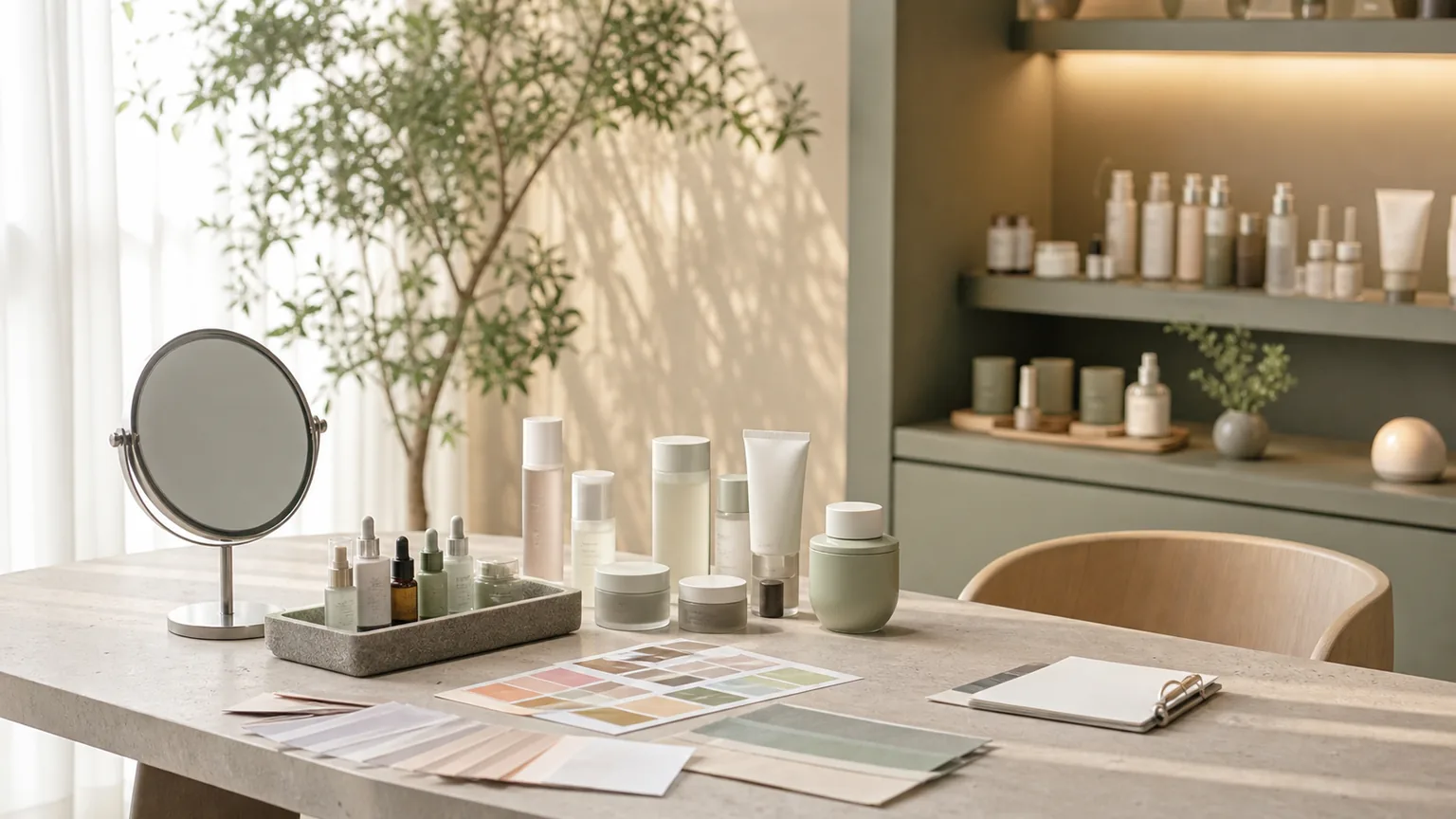
A visitor-friendly way to understand the personal-color, consultation, and careful-shopping culture behind Seoul’s current K-Beauty moment.
The 2026 Korea Beauty Festival ended its main June–July program, while the K-Beauty Travel Product Exhibition was scheduled through September 30. The useful plan after the festival is smaller: book one service you understand or choose one shopping area and compare products there.
The official festival announcement grouped personal-color analysis, makeup, hair, wellness, and retail into one tourism program. Those categories remain available through independent Seoul businesses even when the festival venue is closed.
A personal-color or makeup consultation can help with styling choices. It is not medical care, and a retail recommendation does not replace ingredient checks or patch testing.
What remains after the festival
The festival paired product retail with bookable services. Outside the event, the distinction still matters: a cosmetics shop is for comparing products, while a personal-color studio or salon sells a scheduled service.
A cosmetics shop and a personal-color studio serve different needs. The studio compares tones near the face; the shop lets you test specific textures and shades. Personal color, often called peoseonal keolleo (퍼스널 컬러), is popular as a styling service. Results are subjective and lighting-dependent, but the process gives visitors a concrete way into Korea’s highly visual beauty culture without pretending there is one universal standard of beauty.
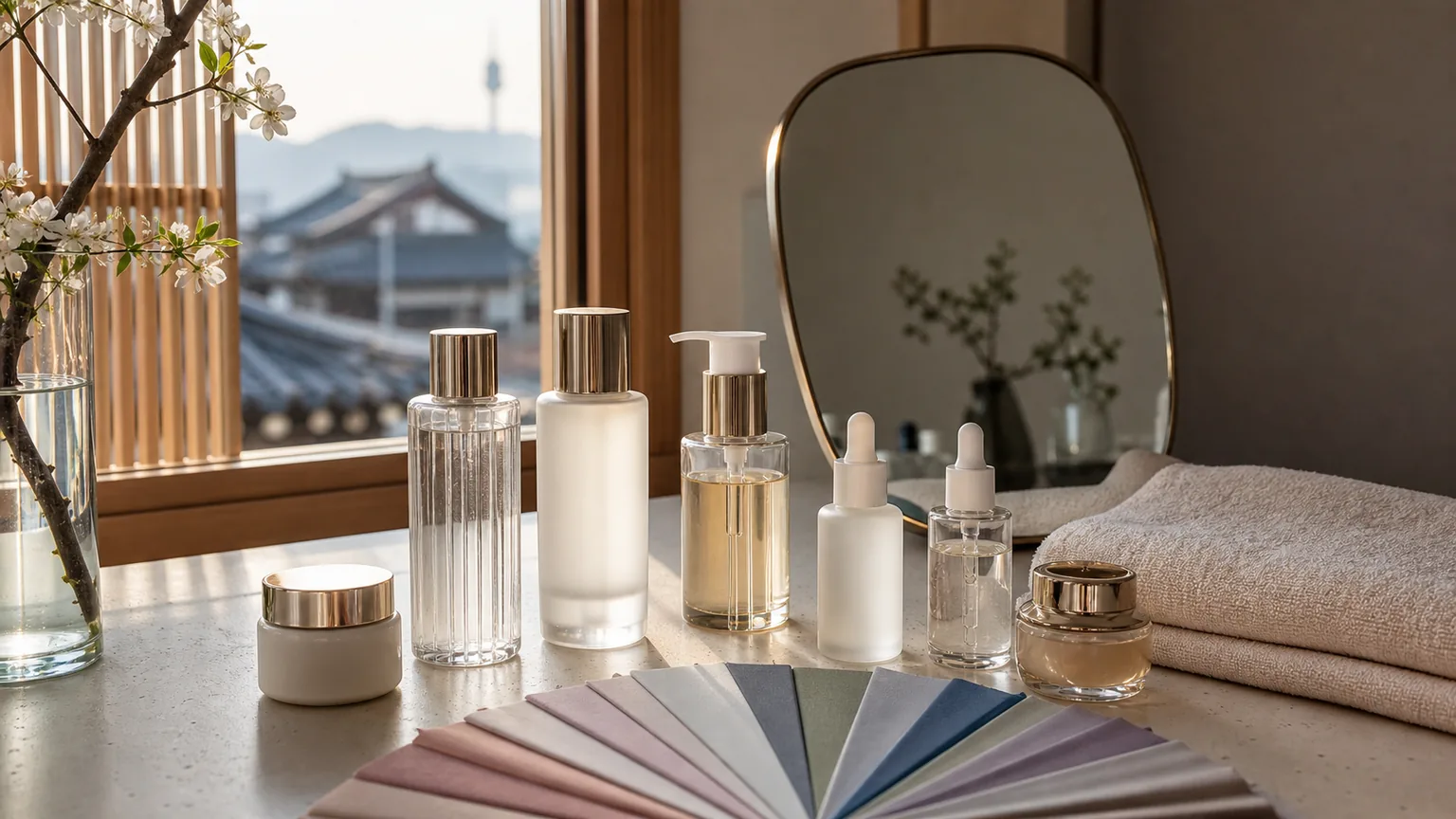
Book one service or choose one shopping area
A booked personal-color session or salon appointment can anchor the afternoon. If shopping is the priority, choose one district and bring a short list: an item to replace, a category to sample, and a spending limit. The Seongsu K-beauty shopping guide provides a store-based route for that version of the day.
At a shop, ask for a tester, note the exact product name and shade, and photograph the ingredient label if you need to translate it later. For one unfamiliar format, the Innisfree cleansing balm guide shows what to check at product level. Skin conditions and concerns about active ingredients belong with a qualified clinician.
Choosing a consultation without overpromising
A personal-color session may compare drapes near the face and suggest color families for clothing or makeup. A makeup lesson focuses on technique and texture; a salon appointment needs a clear choice among cut, styling, and color. Tell the provider your language needs, available time, and intended service before paying.
It is also sensible to ask what is included before booking: Is there a printed or digital result? Will the session involve product purchases? Is there a cancellation policy? A clear answer protects your time and lets the appointment stay enjoyable. Visitors who prefer not to book can still use the same idea in a shop—compare a few colors, take notes, then leave without buying on the spot.
Different neighborhoods, different pace
Department-store beauty floors, road shops, independent studios, and temporary pop-ups operate at different speeds and prices. Ask questions that match the purchase: “Is there fragrance?”, “Can I see the shade in daylight?”, or “What is the return policy?” A product should not become a gift merely because it is Korean; skin type, shade, fragrance, and luggage space still belong to the recipient.
Before you book
Confirm the current business, opening time, appointment language, included service, and cancellation policy. At a retailer, keep the receipt and complete any tax-refund step at payment. Introduce unfamiliar products one at a time after the trip rather than testing a new routine all at once.